Footwear manufacturing guides · 10/10/2026
OEM Shoes Supplier in Vietnam: The Value Behind Every Pair
What a Vietnam OEM shoes supplier really delivers, why Vietnam is worth considering for footwear sourcing, and how to check supplier reliability before ordering.
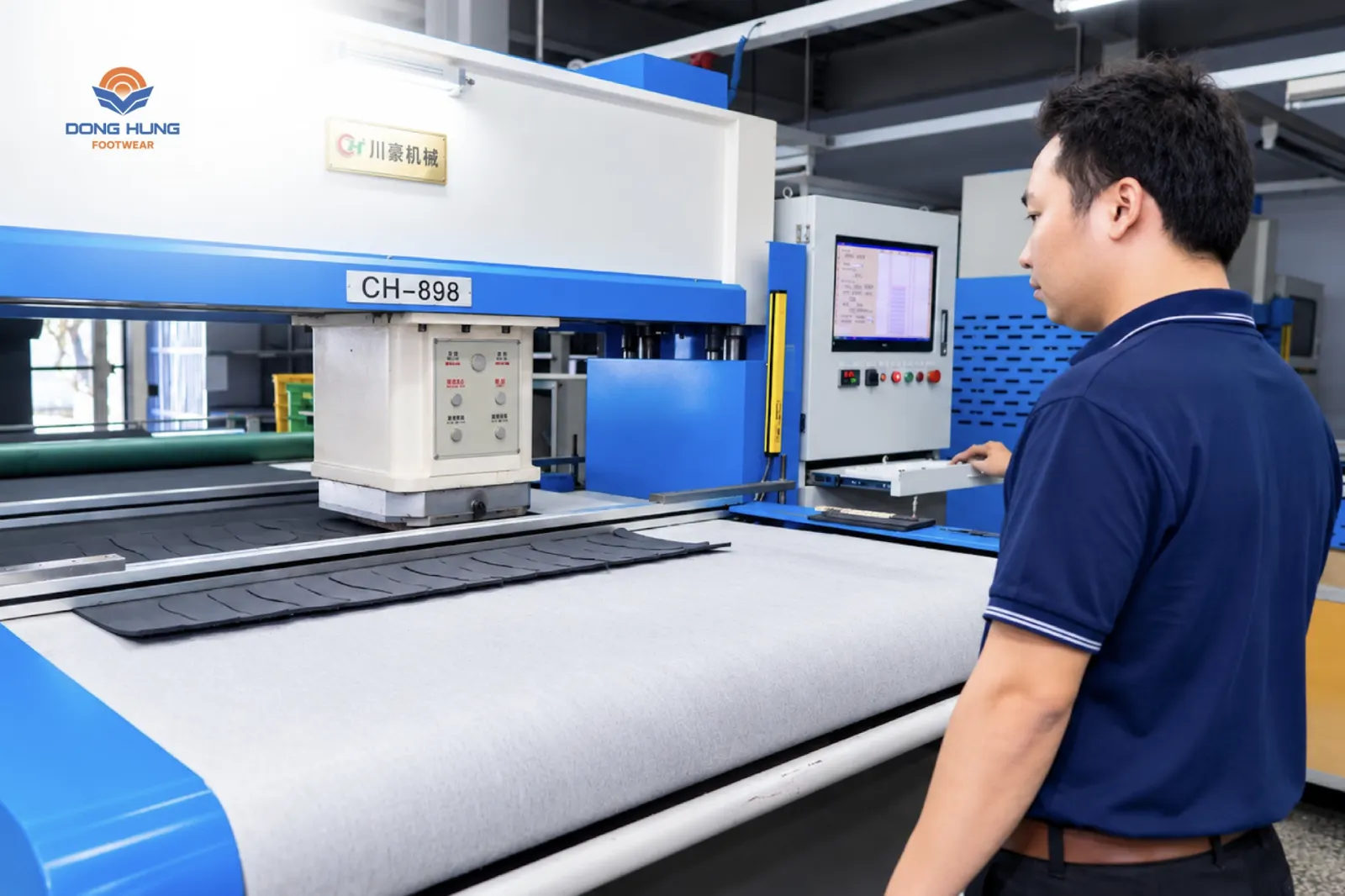
A finished shoe may look simple, but bringing it to market requires coordination across materials, components, production planning, quality requirements, and delivery schedules. For footwear brands, importers, and sourcing teams, finding the right OEM shoes supplier in Vietnam is about more than finding a factory. It is about identifying a manufacturing partner that can help coordinate these moving parts.
1. Beyond the Factory Floor: Understanding the OEM Partnership
OEM stands for Original Equipment Manufacturer. In footwear, OEM manufacturing generally involves producing shoes according to a buyer's design, specifications, and requirements.
The buyer typically defines the product concept and brand direction, while the manufacturer works to translate the agreed requirements into production. Depending on the arrangement, the supplier may also support technical discussions, material coordination, sample development, and quality checks.
This partnership requires clear communication between both parties. Product specifications, approved samples, material requirements, and quality criteria should be documented before production begins.
2. The Hidden Connections That Keep Footwear Production Moving
Footwear production depends on multiple interconnected elements. A change in one area can affect other stages of the project.
- Materials and components: Uppers, linings, soles, laces, and other components must meet the agreed specifications and be compatible with the product's construction.
- Production coordination: Materials need to be available when required, and different manufacturing stages must follow an organized schedule.
- Quality requirements: Teams need a shared understanding of acceptable materials, construction details, finishing, and product consistency.
- Information exchange: Buyers and manufacturers must communicate design changes, approvals, quantities, and delivery expectations accurately.
These connections explain why supplier evaluation should extend beyond the factory's equipment or production capacity. Buyers should also understand how the supplier manages information, coordinates requirements, and responds when project conditions change.
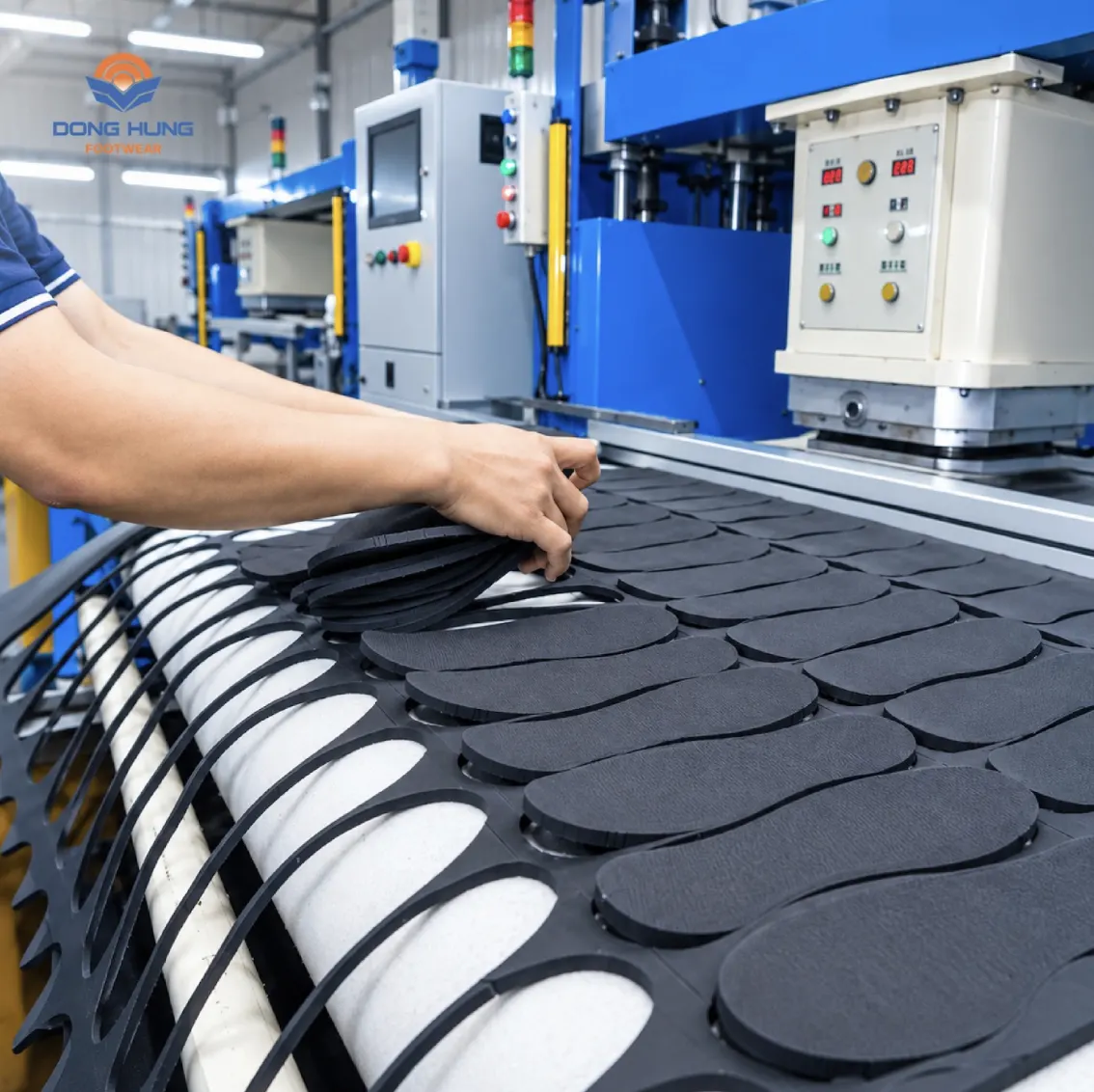
3. Why Vietnam Is Worth Considering for Footwear Sourcing
Vietnam is an established footwear manufacturing and export base, making it a market worth exploring for international footwear businesses.
However, sourcing decisions should be based on the needs of the individual project rather than the country's reputation alone. Buyers should consider the required footwear category, construction methods, material availability, order volume, target cost, and destination market.
When evaluating an OEM shoes supplier in Vietnam, businesses should ask practical questions:
- Does the supplier have experience with the required footwear category?
- Can it work with the buyer's technical specifications?
- What product development and sample support is available?
- How are material sourcing and quality requirements coordinated?
- What are the applicable minimum order quantity (MOQ) and lead time?
- How are production updates and unexpected issues communicated?
Clear answers help buyers determine whether a supplier is suitable for their sourcing strategy.
4. Evaluate Supplier Reliability Before Placing an Order
A competitive quotation is useful, but it does not provide a complete picture of supplier suitability. Buyers should evaluate the commercial offer alongside technical capabilities and communication practices.
Start by sharing a product brief that includes design references, materials, size range, expected quantity, target market, and quality requirements. This allows the supplier to assess the project more accurately.
Next, request clarification on sample development, production milestones, payment terms, inspection procedures, and shipment arrangements. Confirm which costs are included in the quotation and whether tooling, testing, packaging, or other services are charged separately.
Finally, establish a clear approval process. Both parties should know who approves samples, who authorizes specification changes, and how issues are documented.
This preparation helps reduce misunderstandings and provides a stronger foundation for a long-term manufacturing relationship.
5. Start Your Footwear Sourcing Conversation with Dong Hung Footwear
Choosing an OEM partner begins with a clear understanding of your product and sourcing objectives.
Dong Hung Footwear is a footwear manufacturing business that international buyers can explore when evaluating potential manufacturing partners in Vietnam. Buyers can start by outlining their intended footwear category, design requirements, estimated order quantity, target timeline, and quality expectations.
The appropriate production solution, customization options, MOQ, pricing, and lead time should be confirmed directly based on the specific project.
📍 Address:
👉 Factory: Hiep Tam Hamlet, Dinh Quan Commune, Dong Nai City, Vietnam
👉 Office: 667 Dien Bien Phu Street, Thanh My Tay Ward, Ho Chi Minh City, Vietnam
☎️ Hotline: +84 274 3727017