
Footwear manufacturing guides · 13/10/2026
Shoe Design to Production: Turning a Concept into a Manufacturable Shoe
Turn a shoe concept into production: write a clear design brief, check feasibility, build tech packs, use samples and manage design changes before bulk.
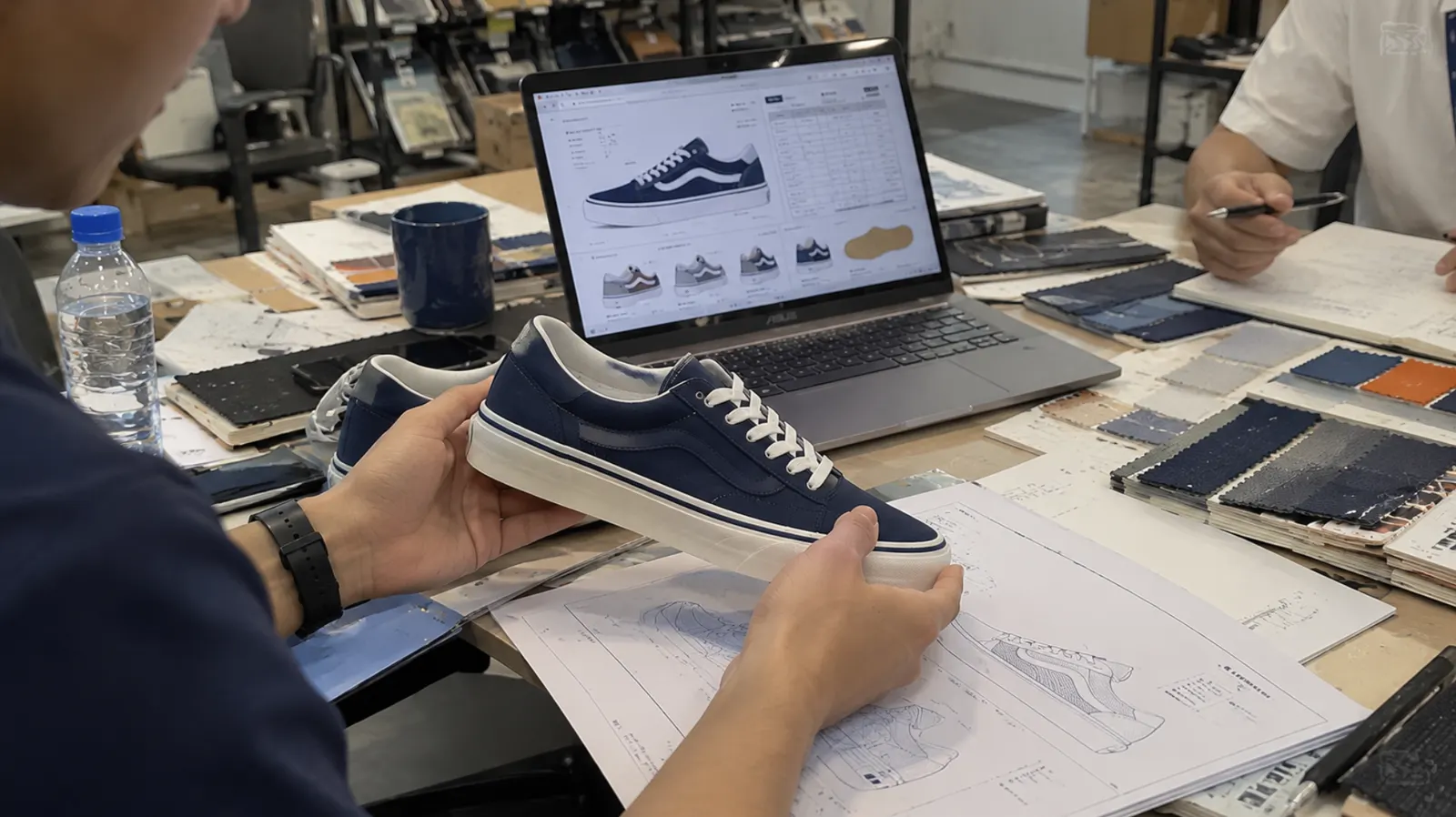
For footwear brands, importers, and retailers, understanding this relationship can help reduce avoidable revisions, improve communication with manufacturing partners, and create products that are better suited to their target markets.
This guide explains the key considerations involved in connecting shoe design with manufacturing, from early design decisions to production readiness.
1. What Is Shoe Design and Manufacturing?
Shoe design and manufacturing refers to the relationship between creating a footwear concept and translating that concept into a physical product through technical development and production.
Shoe design focuses on the product's appearance, function, fit, materials, construction, and intended customer. Manufacturing focuses on how the product can be produced consistently using suitable materials, equipment, processes, and quality requirements.
These activities should not be treated as completely separate tasks. Design decisions influence manufacturing complexity, material consumption, assembly methods, product consistency, and potentially the final cost.
For example, a design featuring multiple material layers, decorative stitching, unusual panel shapes, or a complex sole structure may require additional development and production considerations. Identifying these requirements early allows the design and manufacturing teams to evaluate practical solutions before bulk production.
2. Start With a Clear Product Design Brief
Before detailed design work begins, brands should establish a clear product brief. This document communicates what the shoe needs to achieve and gives the design and manufacturing teams a shared reference point.
A useful footwear design brief typically includes:
- Target customer: The intended audience, including relevant lifestyle or usage requirements.
- Product category: For example, casual shoes, vulcanized footwear, sports-inspired shoes, or other defined categories.
- Design direction: Reference images, sketches, silhouettes, colors, branding elements, and aesthetic preferences.
- Functional requirements: Intended use, flexibility, support, weight, comfort, and other relevant performance expectations.
- Material preferences: Upper materials, lining, outsole materials, trims, and finishing details.
- Target price positioning: The intended market position and commercial constraints.
- Technical or compliance requirements: Applicable product specifications and market requirements, where relevant.
A clear brief helps prevent misunderstandings. It also makes it easier to identify which design features are essential and which may be adjusted during development.
3. Evaluate Design Feasibility Before Production
A visually appealing concept is not automatically ready for manufacturing. Before a design moves forward, the team should evaluate whether its construction, materials, and details can be produced using the intended manufacturing setup.
This is often discussed as design for manufacturability: considering production requirements while developing the product rather than waiting until the design is finalized.
Key considerations include:
Construction and assembly: The design team should understand how all shoe components fit together, as the construction method affects tooling, assembly, and technical requirements.
Material suitability: Materials should be assessed for their intended use, appearance, flexibility, durability, thickness, and compatibility with manufacturing processes.
Component compatibility: All shoe components, including the upper, outsole, insole, adhesives, and reinforcements, must work together effectively.
Design complexity: Unusual shapes, multiple materials, intricate stitching, and decorative details may increase production complexity and should be evaluated before design approval.
4. Translate the Design Into Technical Information
Design concepts must be communicated in a form that development and manufacturing teams can interpret consistently.
Depending on the product and the working arrangement, useful technical information may include:
- Technical sketches showing relevant views and construction details.
- Material specifications and color references.
- Component and trim details.
- Size specifications and measurement references.
- Branding placement and artwork files.
- Stitching, finishing, and assembly requirements.
- Approved sample references and revision records.
A technical package helps reduce ambiguity when multiple people or teams are involved. It also provides a reference for evaluating whether a sample or production unit matches the agreed design.
When changes occur, the latest specifications should be clearly identified and shared with the relevant parties. Informal messages or outdated images alone may not provide enough information for accurate execution.
5. Use Prototypes and Samples to Validate the Design
A prototype or development sample allows the team to evaluate a concept as a physical product. It can reveal issues that are difficult to identify through sketches or digital images alone.
Depending on the development stage, the team may assess:
- Overall appearance and proportions.
- Fit and sizing.
- Material behavior and color consistency.
- Component compatibility.
- Construction and finishing details.
- Comfort and intended functionality.
- Alignment with the approved design brief.
Feedback should be specific and documented. Instead of saying that a shoe “does not look right,” reviewers should identify the relevant area, describe the issue, and explain the expected adjustment.
For example, feedback may concern the position of a logo, the shape of a toe box, the color of a component, or the alignment of stitching. Clear feedback makes revisions easier to interpret and verify.
A sample should be evaluated against agreed criteria, not only personal preference. Any required changes should be reviewed before the design is approved for the next stage.
6. Coordinate Design Changes With Manufacturing Requirements
Design changes can affect more than appearance. Adjusting a material, component shape, decorative feature, or construction method may influence production steps, material availability, cost, or the timing of development.
To manage revisions effectively, brands and manufacturing partners should establish a clear change-control process.
A practical process includes:
- Record the requested change and the reason for it.
- Identify the affected components, specifications, or production steps.
- Ask the relevant teams to assess feasibility and potential implications.
- Update the technical documents and sample requirements.
- Review the revised sample or evidence, where necessary.
- Confirm approval before applying the change to production.
This process helps prevent discrepancies where different teams might be working with different design versions. It also allows the business to evaluate the overall impact before rolling out any new adjustments.
7. Preparing Approved Designs for Mass Production
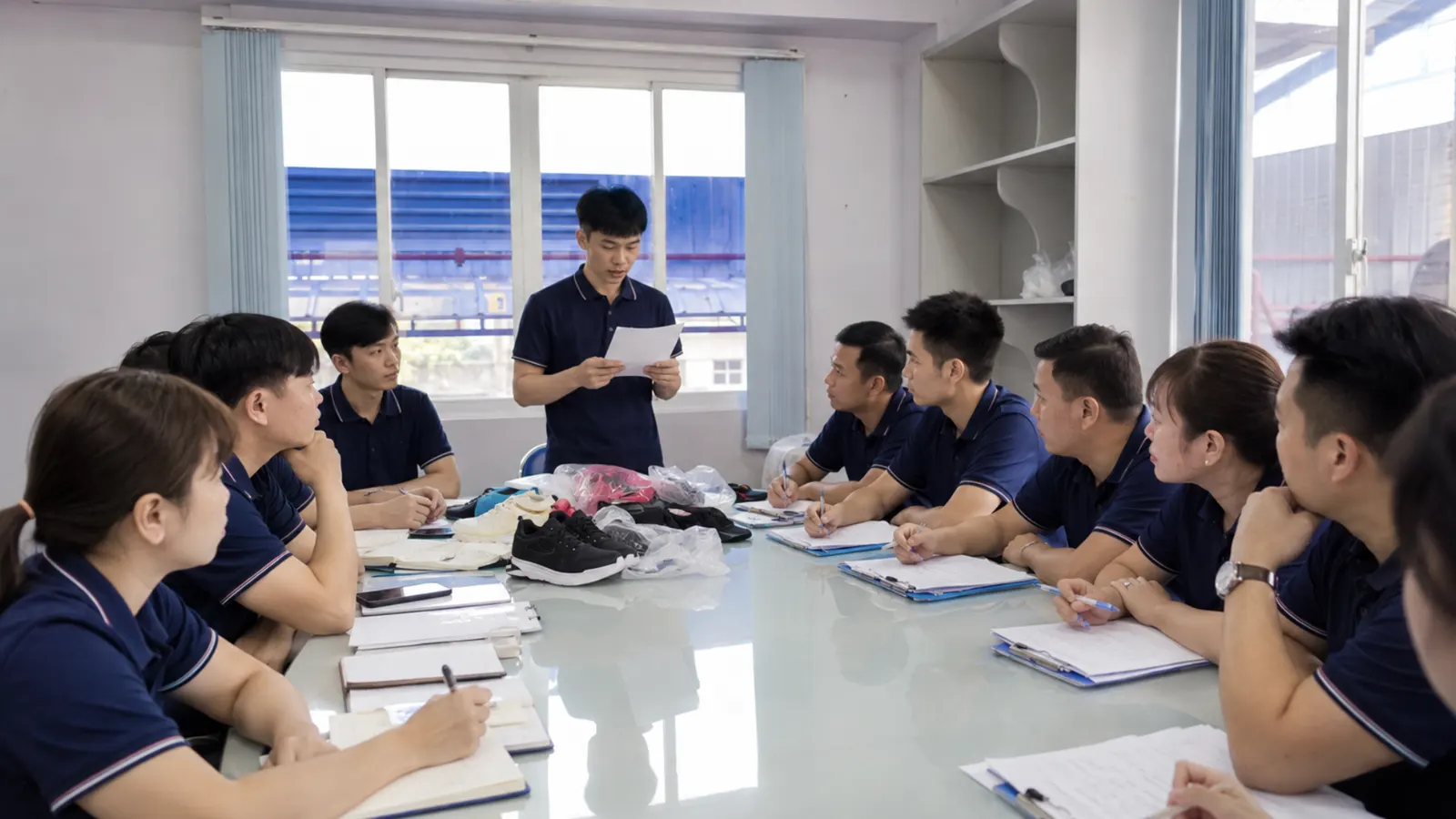
Once a design and its prototype have been approved, the focus shifts to ensuring consistent implementation during production. The factory requires clear specifications, appropriate materials, finalized construction details, and verifiable quality criteria.
Before mass production begins, all parties should confirm:
- The approved design version and prototype
- Specifications for materials and components
- Sizing and measurement requirements
- Branding and packaging details
- Inspection criteria and product acceptance standards
- Procedures for handling defects or deviations
Responsibilities regarding notification and approval for any future changes. Being production-ready does not guarantee that every product will be entirely free of deviations. It is essential for all parties to have reference documentation, evaluation criteria, and appropriate control mechanisms in place to detect and address any discrepancies from the original requirements.
Production methods and control measures should be selected based on the specific type of footwear, its construction, the materials used, order requirements, and the factory’s actual capabilities.
8. Common challenges between footwear design and production
Several issues can lead to production outcomes that do not align with the original design concept:
- Lack of technical specifications: Incomplete drawings, undefined materials, or unclear construction details can result in different interpretations of the product among the parties involved.
- Late-stage design changes: Making modifications after materials have been sourced or production processes have begun can necessitate additional evaluation and coordination efforts.
- Material limitations: Selected materials may fail to meet functional requirements or prove incompatible with the intended construction method.
- Unclear approval authority: If it is not explicitly defined who has the authority to approve designs or specification changes, the decision-making process may be delayed.
- Unrealistic commercial expectations: Factors such as design complexity, material selection, production requirements, and order terms must be considered holistically when assessing commercial feasibility.
These challenges can be mitigated through early-stage coordination, standardized documentation, aligned expectations, and clearly defined approval processes.
📍 Address:
👉 Factory: Hiep Tam Hamlet, Dinh Quan Commune, Dong Nai City, Vietnam
👉 Office: 667 Dien Bien Phu Street, Thanh My Tay Ward, Ho Chi Minh City, Vietnam
☎️ Hotline: +84 274 3727017