Footwear manufacturing guides · 06/10/2026
Shoe Manufacturing Companies: OEM, ODM & Private Label Explained
How shoe manufacturing companies work: OEM vs ODM vs private label, capability checks, quality and the questions to ask before choosing a footwear partner.
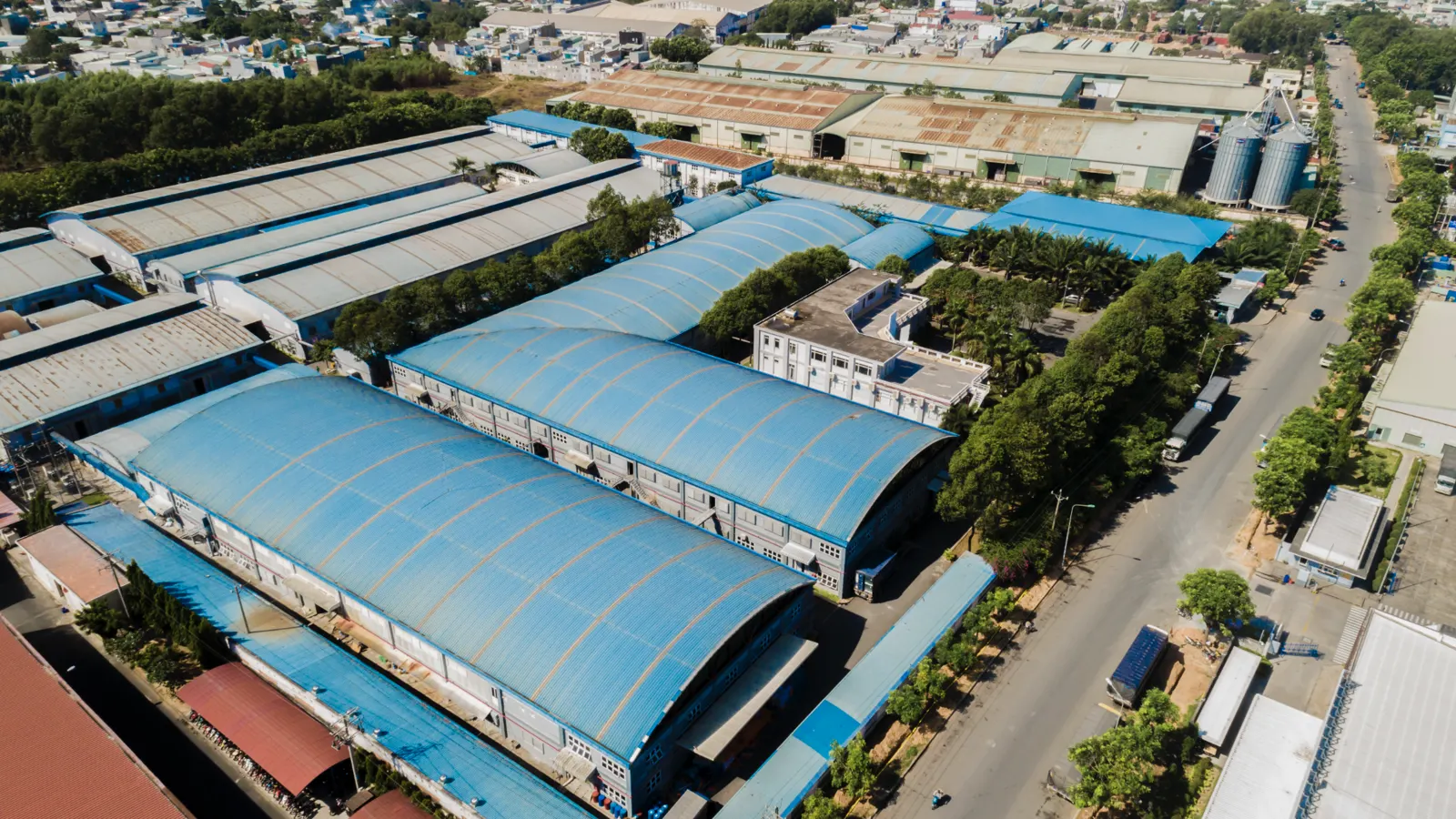
The global footwear industry includes businesses operating under different models, from brands that develop their own products to factories that manufacture footwear for other companies. For footwear brands, importers, wholesalers, and retailers, understanding the differences in business roles, service scope, and production methods is essential to selecting the right sourcing partner.
This article explores common business models in the footwear manufacturing industry and the key factors to consider when building an effective manufacturing partnership.
1. What Are Shoe Manufacturing Companies?
Shoe manufacturing companies are businesses involved in producing footwear, either for their own brands or for other businesses.
Depending on their operating model, they may handle activities such as material preparation, component processing, footwear assembly, finishing, product development, or coordination with external suppliers.
Their customers may include:
- Footwear brands developing their own collections.
- Importers sourcing products for specific markets.
- Wholesalers supplying retailers and distributors.
- Retail businesses developing private-label footwear.
- Companies seeking manufacturing support for a particular product category.
The scope of services differs from one manufacturer to another. Some businesses focus primarily on production, while others may offer additional services such as sample development, technical consultation, packaging coordination, or export-related support.
Buyers should therefore distinguish between services a company advertises and the specific activities it can undertake for their project.
2. Understand the Main Business Models in Footwear Manufacturing
Before approaching a supplier, buyers should understand how different manufacturing models work. The most suitable option depends on how much control the buyer wants over design, how much development support is needed, and which responsibilities each party is prepared to manage.
OEM: Manufacturing Based on Buyer Requirements
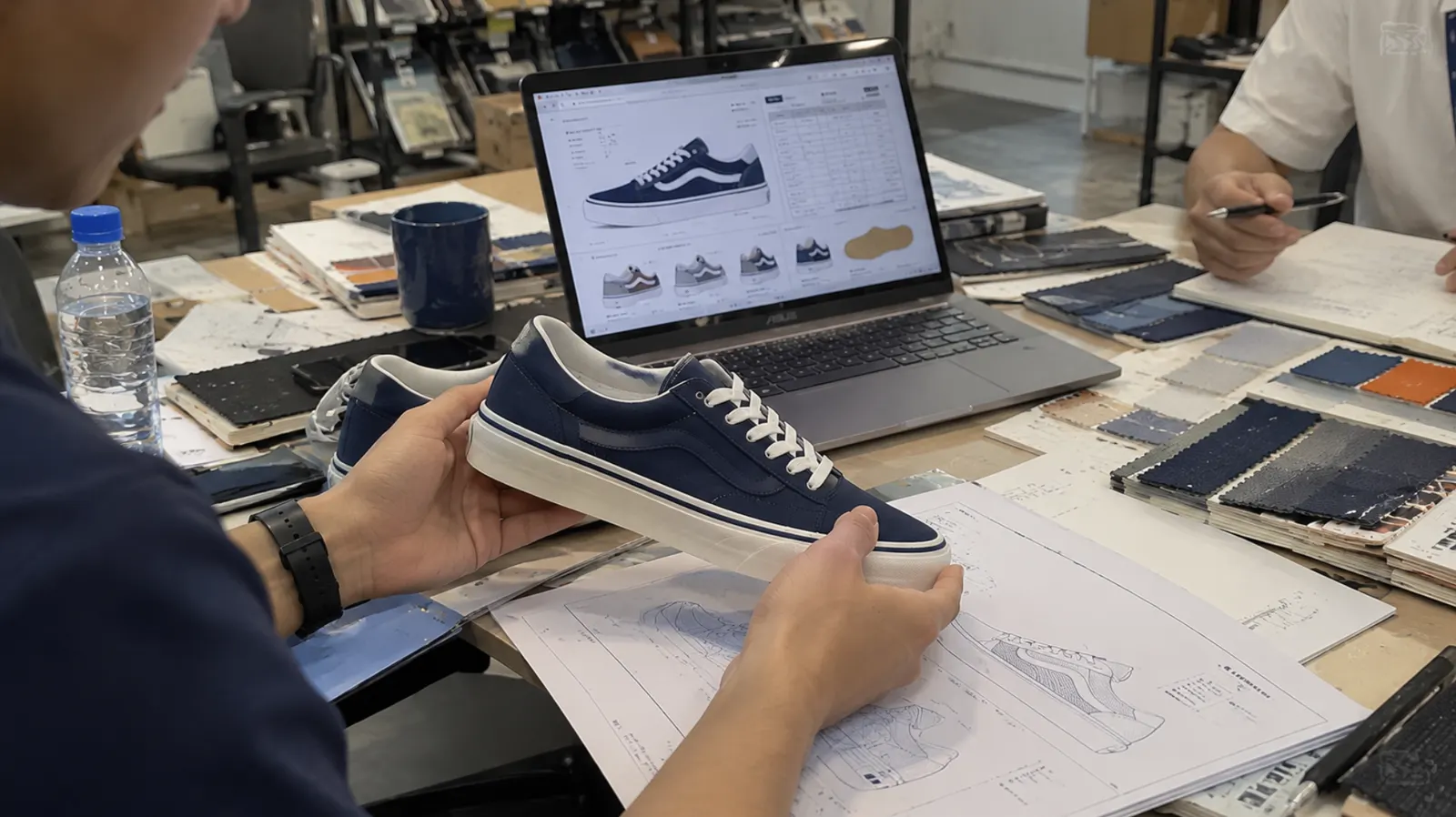
OEM, or Original Equipment Manufacturing, generally refers to an arrangement in which a manufacturer produces footwear according to the buyer's approved designs, specifications, or product requirements.
The buyer may provide design files, technical drawings, material requirements, reference samples, or other product documentation. The manufacturer evaluates the project and produces the footwear according to the agreed scope.
This model may suit businesses that already have a defined product concept and want to work with an external manufacturing partner.
Before starting an OEM project, both parties should confirm product specifications, material responsibilities, sample approval procedures, production quantities, quality requirements, and commercial terms.
ODM: Manufacturing with Product Development Support
ODM, or Original Design Manufacturing, commonly describes a model in which the manufacturer contributes existing designs or product development capabilities alongside production.
Depending on the arrangement, the buyer may select or adapt a design from the manufacturer's available options rather than developing every element independently.
This approach may be useful for businesses that want to bring a product to market without managing the entire design and technical development process internally.
However, the exact scope of ODM services varies. Buyers should clarify which elements can be customized and how design ownership, exclusivity, tooling, and permitted use are addressed in the agreement.
Private-Label Manufacturing
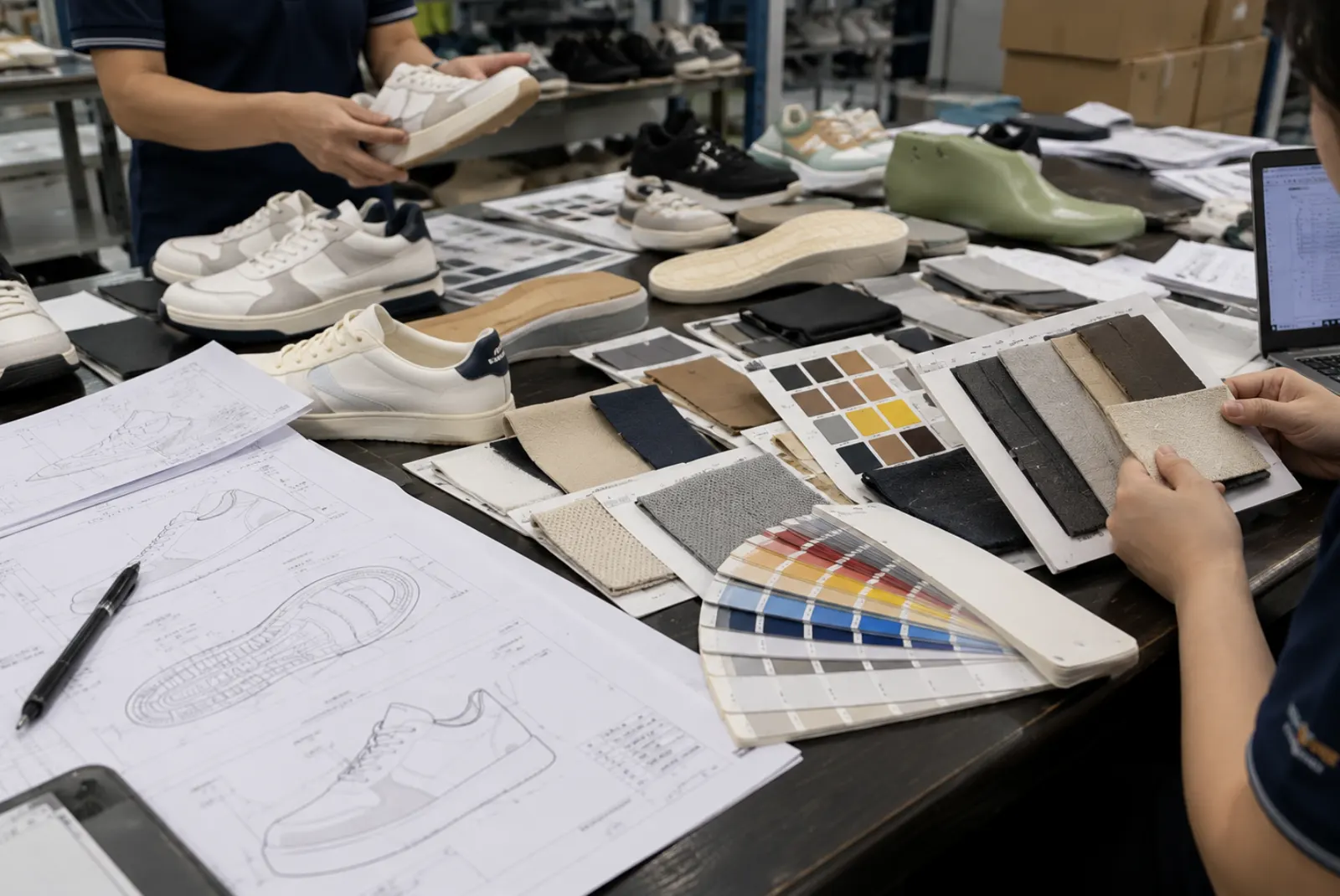
Private-label footwear is produced for sale under a buyer's brand. The product may be based on an existing design or developed with selected modifications, depending on the manufacturer's capabilities and the agreed arrangement.
This model is relevant to retailers and businesses seeking to build their own branded product range without operating their own footwear factory.
Buyers should clarify branding options, packaging requirements, product specifications, minimum order quantities, and any restrictions on using the selected design.
These models can overlap in practice. The labels OEM, ODM, and private label do not replace the need to define the actual services and responsibilities in writing.
3. Compare Different Types of Footwear Production Partners
The term "shoe manufacturer" can describe businesses with substantially different capabilities and roles.
| Business type | Typical role | What buyers should clarify |
|---|---|---|
| Contract manufacturer | Produces footwear for another business | Production scope, specifications, capacity, and order terms |
| OEM manufacturing partner | Manufactures according to buyer-defined requirements | Technical documentation, sample approval, and responsibility for materials |
| ODM-oriented manufacturer | May contribute designs or product development support | Customization options, design rights, and development responsibilities |
| Private-label supplier | Supplies footwear for sale under the buyer's brand | Branding, packaging, exclusivity, and product requirements |
| Trading company or sourcing intermediary | Coordinates sourcing or purchasing through manufacturing suppliers | Whether it owns production facilities, who performs manufacturing, and who is responsible for quality and delivery |
These categories are not always mutually exclusive. A company may provide several types of services, while some arrangements involve multiple businesses across the supply chain.
For buyers, the priority is to identify who will perform the manufacturing, who will manage technical decisions, and who will be accountable for the agreed product and delivery requirements.
4. Evaluate Manufacturing Capabilities Against Your Product Category
A manufacturer that is suitable for one footwear category may not be the right choice for another. Production requirements can differ depending on the product's materials, construction, intended use, and design complexity.
For example, vulcanized footwear, casual shoes, sandals, and performance-oriented footwear may involve different materials, components, equipment, and technical processes.
When evaluating a manufacturer, buyers should discuss:
- The footwear categories it currently supports.
- Relevant construction methods and material options.
- The complexity of the proposed design.
- Available product development and sampling support.
- Requirements for molds, tooling, or specialized components.
- Quality criteria and testing needs.
- Order quantities and production scheduling.
- Any limitations that could affect the proposed project.
A company profile or product gallery can provide an initial overview, but it should not replace a project-specific discussion. Buyers should request relevant examples or documentation where available and verify whether the manufacturer can support the intended product.
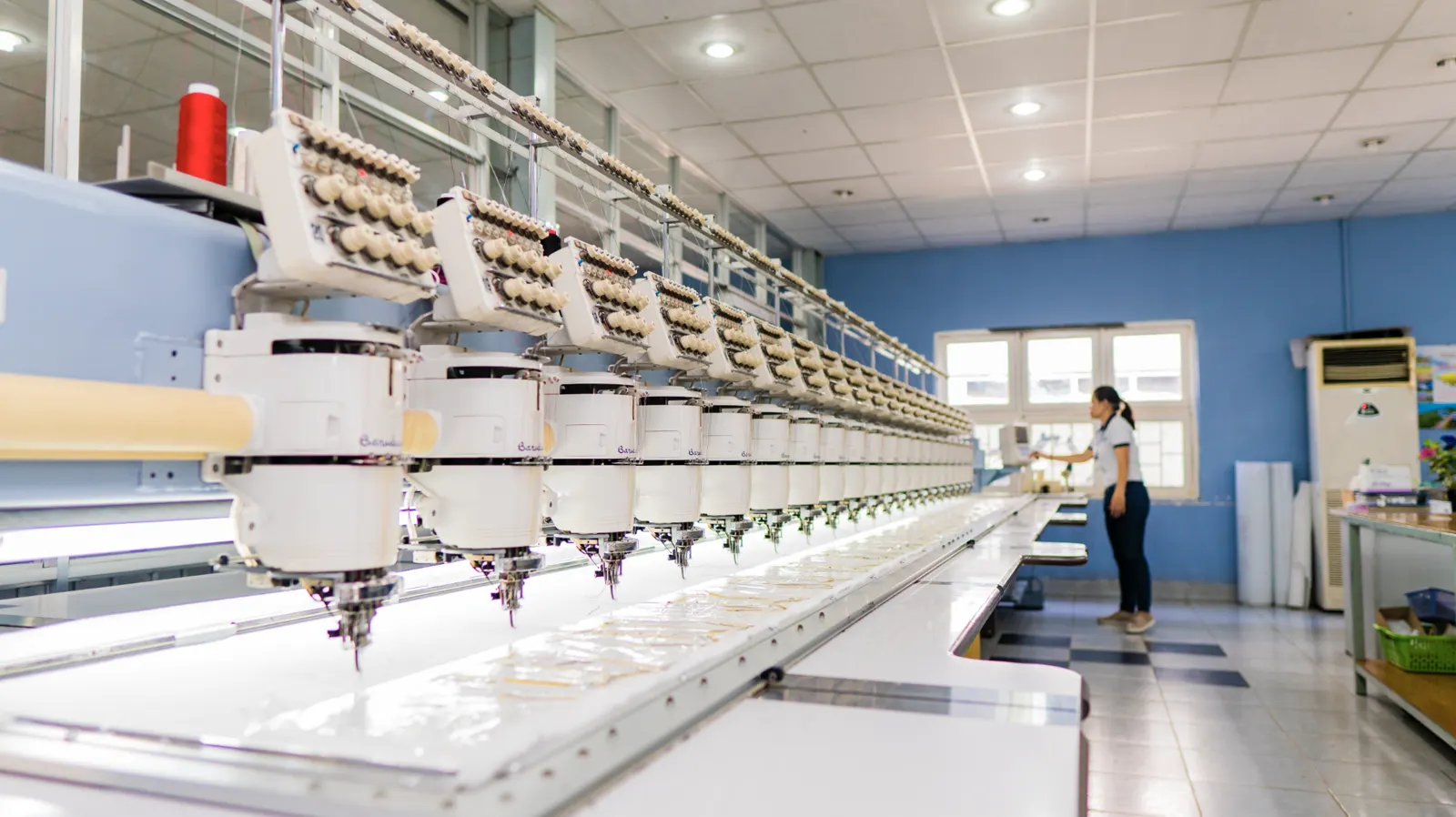
5. Consider the Role of Product Development and Technical Coordination
Footwear production often begins well before the first bulk order. The development stage translates a product concept into specifications that can be evaluated, approved, and used during manufacturing.
Depending on the project, this may involve reviewing design files, selecting materials, assessing construction feasibility, preparing samples, and documenting revisions.
A manufacturer's product development support can be particularly relevant when the buyer has a concept but needs assistance translating it into a practical production brief.
To improve coordination, buyers should prepare:
- Design references or technical drawings.
- Material and component preferences.
- Color specifications and branding requirements.
- Size range and relevant dimensions.
- Intended product use and target market.
- Sample feedback and revision records.
Before committing to production, confirm which development activities are included in the agreement and which may require additional fees or time.
6. Understand the Supply Chain Behind a Finished Shoe
A finished shoe may involve multiple materials, components, suppliers, and production stages. Depending on the manufacturing arrangement, the main footwear factory may source components directly, coordinate with external suppliers, or work with materials specified by the buyer.
This means that evaluating a manufacturing company also involves understanding how its supply chain is organized.
Useful questions include:
- Who sources the main materials and components?
- Are material options selected by the buyer, manufacturer, or both?
- How are material availability and substitutions managed?
- Which party is responsible for confirming component specifications?
- How are changes communicated when a material becomes unavailable?
- What information can be provided about sourcing and production progress?
A clear understanding of these responsibilities helps buyers assess potential dependencies and plan for changes that could affect production.
Specific claims about supplier networks, material traceability, or sourcing practices should be supported by information provided and verified by the manufacturer.
7. Evaluate Quality Management and Production Accountability
Quality expectations should be established before manufacturing begins. Buyers and manufacturers need a shared understanding of approved specifications, inspection requirements, and procedures for handling deviations.
Depending on the footwear category and buyer requirements, relevant checkpoints may include incoming materials, component dimensions, assembly, appearance, sizing, finishing, packaging, and agreed product tests.
When evaluating a potential manufacturing partner, ask:
- How are approved product specifications communicated to production teams?
- What inspections can be performed during the production process?
- How are defects and deviations recorded?
- How are corrective actions agreed upon and verified?
- Which party arranges any required independent inspections or laboratory tests?
- What documentation can be provided to demonstrate conformance with agreed requirements?
Avoid assuming that a manufacturer holds particular certifications or follows a specific inspection standard unless the relevant information has been confirmed.
Clear responsibilities and documented procedures help both parties manage quality issues more consistently.
8. Review Commercial Terms and Production Planning
The suitability of a manufacturing partner also depends on whether its commercial arrangements align with the buyer's business model.
Before confirming an order, review the quotation and clarify how the project will be managed from development through delivery.
Important points include:
- Minimum order quantities and order variations.
- Unit pricing and excluded charges.
- Sampling and development costs.
- Tooling or mold costs, where applicable.
- Payment terms and production milestones.
- Expected lead times and their starting point.
- Packaging specifications.
- Shipping arrangements and allocation of responsibilities.
- Procedures for managing changes or delays.
Lead times should be discussed in context. Material procurement, sample approvals, production scheduling, inspections, and shipping can all affect the overall timeline.
A written agreement helps prevent different interpretations of what is included in the quoted price and what each party is expected to deliver.
9. Choose a Manufacturing Partner for Long-Term Business Needs
Selecting a footwear manufacturer is not only a short-term purchasing decision. For businesses planning to expand their collections, a manufacturing relationship may influence future product development, inventory planning, and market responsiveness.
Consider whether the potential partner can communicate clearly, document important decisions, and discuss changes in product requirements as the business evolves.
After initial production, review performance against agreed expectations, including product conformance, delivery coordination, communication, documentation, and issue resolution.
A long-term partnership does not require every project to remain unchanged. Instead, it benefits from a clear process for evaluating new requirements, assessing feasibility, and agreeing on revised commercial and technical conditions.
Buyers should also periodically reassess whether the manufacturer's capabilities and business arrangements continue to fit their needs.
10. Questions to Ask Before Selecting a Shoe Manufacturing Company
Use the following questions to guide supplier discussions:
- Which footwear categories does your company manufacture?
- Do you offer OEM, ODM, private-label, or other production arrangements?
- Which product development services are available?
- What technical information is needed to evaluate a new project?
- What are the minimum order quantities for the proposed product?
- Which materials, components, and construction methods can be considered?
- How are samples reviewed and approved?
- What quality requirements and inspection procedures can be agreed upon?
- Which costs are included in the quotation, and which are charged separately?
- How are production schedules, material changes, and delays communicated?
- What are the responsibilities of each party for packaging, shipping, and export documentation?
- What information can be shared about the manufacturing process and relevant compliance requirements?
Evaluate the answers against the needs of your product, market, and organization. A suitable supplier should be able to explain the scope of its services and the conditions under which it can support the project.
📍 Address:
👉 Factory: Hiep Tam Hamlet, Dinh Quan Commune, Dong Nai City, Vietnam
👉 Office: 667 Dien Bien Phu Street, Thanh My Tay Ward, Ho Chi Minh City, Vietnam
☎️ Hotline: +84 274 3727017