
Footwear manufacturing guides · 14/10/2026
Shoe Manufacturing Steps: A Buyer's Guide to Preparing a Production Order
Nine shoe manufacturing steps for buyers: specifications, manufacturer fit, development samples, final terms, schedule, order follow-up and pre-shipment quality.
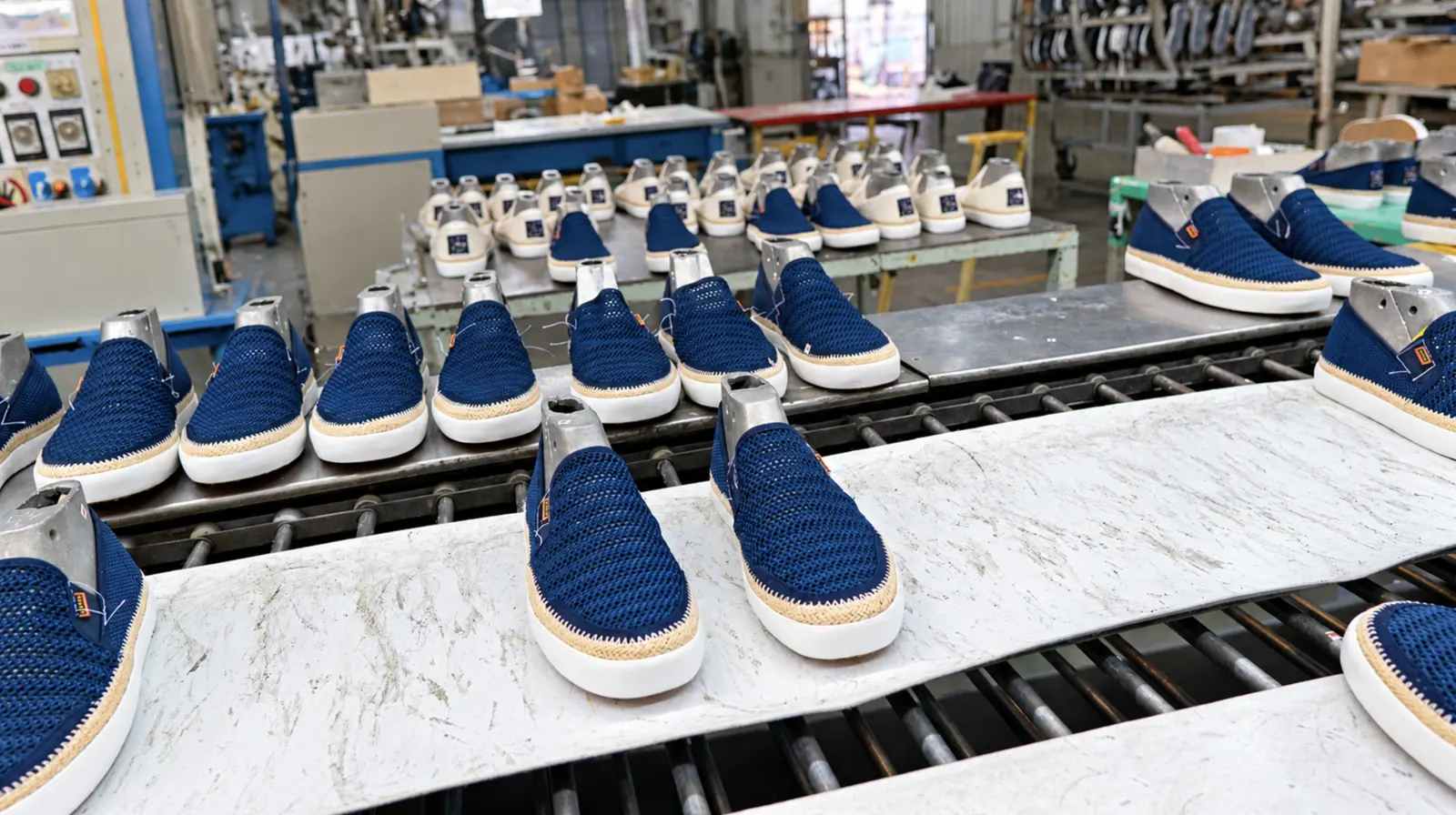
Understanding shoe manufacturing steps is useful for footwear brands, importers, wholesalers, and retailers planning a new product order. However, successful production depends on more than knowing how a shoe is made. Buyers also need to prepare accurate product information, align expectations with the manufacturer, approve samples, and coordinate decisions before production begins.
This guide explains how buyers can prepare and manage a footwear production order, with practical considerations for each major decision.
Order Preparation Guide for Businesses
1. Define the Product and Business Requirements
The first step is to establish exactly what the business wants to produce and why. A general request such as “we need casual shoes” may not provide enough information for a manufacturer to assess the project.
Before contacting potential suppliers, define the main product requirements.
- Product category: Identify the intended category, such as casual footwear, vulcanized shoes, sports-inspired footwear, or another specific type.
- Target market: Explain where the product will be sold and who is expected to purchase it. Market expectations may influence styling, sizing, labeling, packaging, and applicable requirements.
- Design direction: Prepare reference images, sketches, existing samples, or links to products that communicate the intended look. Clarify which elements are references and which are mandatory requirements.
- Expected order quantity: Provide an estimated quantity, including the anticipated size breakdown if available. The manufacturer will need this information to assess the order.
- Commercial positioning: Share the target price range or intended market segment when possible. The final quotation will depend on the product specifications, materials, quantity, and agreed commercial terms.
- Required delivery period: Explain the intended selling season or target delivery date. Feasibility should be confirmed with the manufacturer rather than assumed.
The clearer the initial brief, the easier it is to identify missing information and determine whether the project is suitable for further discussion.
2. Prepare the Product Specifications
After defining the product concept, organize the available technical information. A specification package helps the manufacturer understand what needs to be developed and what must remain consistent.
Depending on the product, this package may include:
- Product sketches or technical drawings.
- Material preferences for the upper, lining, outsole, and other components.
- Color references and branding artwork.
- Size range and measurement requirements.
- Construction preferences and finishing details.
- Packaging and labeling requirements.
- Applicable testing or compliance requirements.
- Reference samples, if available.
Not every project will have complete technical documentation at the beginning. If some information is unavailable, identify the open questions rather than leaving them ambiguous.
3. Evaluate the Manufacturer’s Suitability
Not every shoe manufacturer is equipped for every product category, construction method, material combination, or order requirement. Before committing to an order, buyers should evaluate whether a potential partner is suitable for the project.
Consider the following areas.
Product and construction experience
Ask whether the manufacturer has relevant experience with the intended footwear category and construction. Examples of previous work can help establish relevance, but they should be evaluated against the specific requirements of the new project.
Product development support
Clarify what assistance is available for technical review, material selection, sample development, and design adjustments. The scope of these services can differ between manufacturers.
Manufacturing and quality processes
Discuss how production requirements are communicated to the factory and how product conformity is checked. Ask which inspection methods and quality criteria are appropriate for the proposed footwear.
Commercial conditions
Confirm the applicable minimum order quantity (MOQ), pricing structure, payment terms, tooling or development charges where relevant, and responsibilities for materials or other costs.
Communication and documentation
Determine who will coordinate the project, how changes will be recorded, and who has authority to approve samples and specifications.
A supplier should be assessed using relevant evidence and clear answers, not solely on general promotional statements.
4. Request and Review a Development Sample
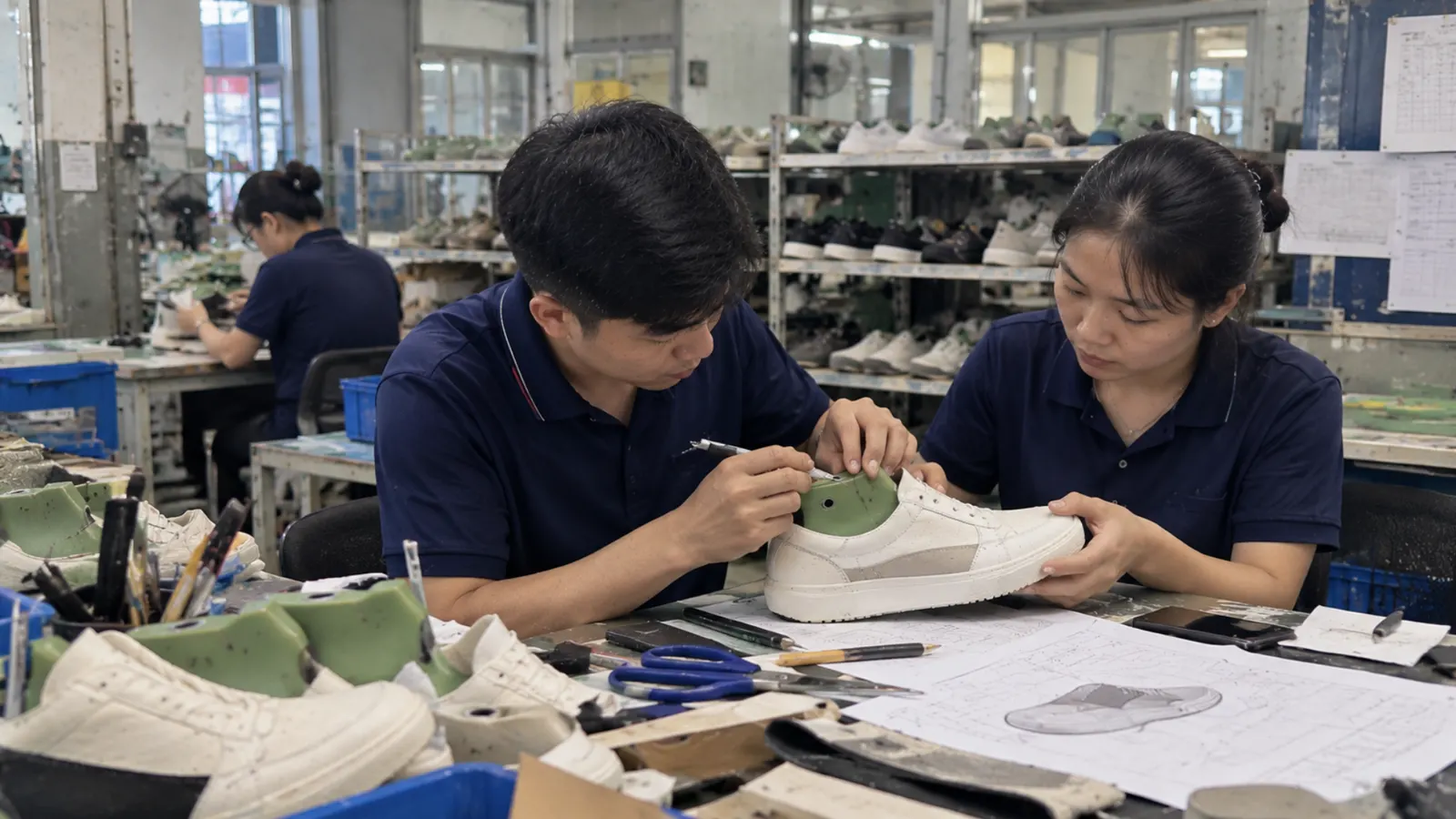
A sample gives the buyer and manufacturer an opportunity to evaluate the product before proceeding to bulk production. The appropriate sample type depends on the stage of development and the information available.
During the review, assess the product against agreed requirements, including:
- Overall appearance and proportions.
- Material, color, and component selection.
- Fit and sizing, where applicable.
- Construction and finishing.
- Branding placement.
- Intended function and comfort requirements.
- Any project-specific technical criteria.
Feedback should identify the exact issue, its location, and the required change. Include annotated photographs or measurements when they help explain the request.
It is also important to separate essential corrections from optional design preferences. This makes decisions more efficient and helps the manufacturer understand which changes are necessary for approval.
A sample should not be considered approved simply because it looks similar to a reference image. Approval should reflect the agreed product requirements and the relevant evaluation criteria.
5. Confirm the Final Specifications and Commercial Terms
Before a bulk order is released, the buyer and manufacturer should align on the product version and the commercial conditions that apply.
The final confirmation may cover:
- Approved sample and specification version.
- Product quantities and size breakdown.
- Material and component requirements.
- Packaging and labeling details.
- Unit price and any additional agreed charges.
- Payment terms.
- Production and delivery expectations.
- Inspection and acceptance criteria.
- Shipping arrangements and applicable trade terms.
- Procedures for handling changes or nonconforming products.
The exact documents and contractual requirements will depend on the parties and the transaction. Buyers should ensure that important commitments are recorded in the agreed order documents rather than relying only on informal conversations.
This step is particularly important when multiple revisions have occurred during product development. Everyone involved should know which version has been approved for production.
6. Align the Production Schedule and Responsibilities
A production schedule should reflect the actual requirements of the order, including material availability, development status, production preparation, and agreed delivery arrangements.
Rather than relying on a general estimate, buyers should ask the manufacturer to clarify the key milestones and dependencies.
A project schedule may include:
- Confirmation of product requirements.
- Technical review and resolution of open questions.
- Sample development and approval.
- Confirmation of materials and order details.
- Production preparation.
- Bulk manufacturing and applicable quality checks.
- Packing and shipping coordination.
These are planning milestones, not a universal manufacturing sequence. Some activities may overlap, and the schedule can vary according to product construction, material sourcing, order quantity, and factory conditions.
Buyers should also identify who is responsible for each decision. For example, one person may approve design details, while another confirms the purchase order or shipping instructions.
Clear ownership helps prevent delays caused by unanswered questions or approvals that have not been assigned.
7. Monitor the Order
After production planning begins, regular communication helps both parties identify issues before they affect the wider project.
A practical order-tracking system should record:
- Current project status.
- Completed and upcoming milestones.
- Outstanding questions or approvals.
- Changes to specifications.
- Material or scheduling concerns.
- Responsible person and expected response date.
- Agreed corrective actions.
The format can be simple: a shared spreadsheet, project tracker, or structured email updates may be sufficient for a particular order.
The important point is consistency. Decisions made during calls or messages should be documented when they affect specifications, costs, deadlines, or approval status.
If a change may affect the agreed delivery date or commercial terms, the buyer should request a revised assessment instead of assuming the original plan remains unchanged.
8. Agree on Quality Expectations Before Shipment
Quality requirements should be established before the final inspection, not introduced only after goods have been produced.
The buyer and manufacturer should clarify what will be inspected, how defects will be categorized, what constitutes acceptance, and how nonconforming products will be handled.
Depending on the product, relevant checks may cover appearance, dimensions, construction, materials, workmanship, branding, packaging, and specified performance requirements.
Where formal testing or third-party inspection is required, the responsible party, applicable standard, timing, and documentation should be agreed in advance.
The inspection method should match the product and order requirements. There is no single checklist that is appropriate for every type of footwear.
Clear quality criteria help reduce disagreements because both parties can evaluate the goods against the same agreed references.
9. Common Mistakes When Managing Shoe Manufacturing Steps
Several avoidable mistakes can complicate a footwear order:
- Submitting an incomplete product brief: Missing specifications may lead to repeated clarification and different interpretations.
- Selecting a supplier based only on price: A quotation should be evaluated alongside product suitability, quality requirements, communication, and commercial conditions.
- Changing approved details without documentation: Unrecorded changes can create inconsistencies between the sample, technical documents, and production instructions.
- Assuming all manufacturers offer the same services: Development support, materials, construction options, MOQ, and production arrangements vary by supplier.
- Setting delivery expectations before confirming feasibility: Timelines need to account for the specific product, materials, approvals, and order conditions.
- Leaving quality requirements until the end: Acceptance criteria are easier to manage when established before production and inspection.
A structured approach to these decisions helps buyers manage uncertainty and maintain a clearer working relationship with their manufacturing partner.
📍 Address:
👉 Factory: Hiep Tam Hamlet, Dinh Quan Commune, Dong Nai City, Vietnam
👉 Office: 667 Dien Bien Phu Street, Thanh My Tay Ward, Ho Chi Minh City, Vietnam
☎️ Hotline: +84 274 3727017